
Time, Truth, and Laughter
An Evening with Hiroshi Sugimoto

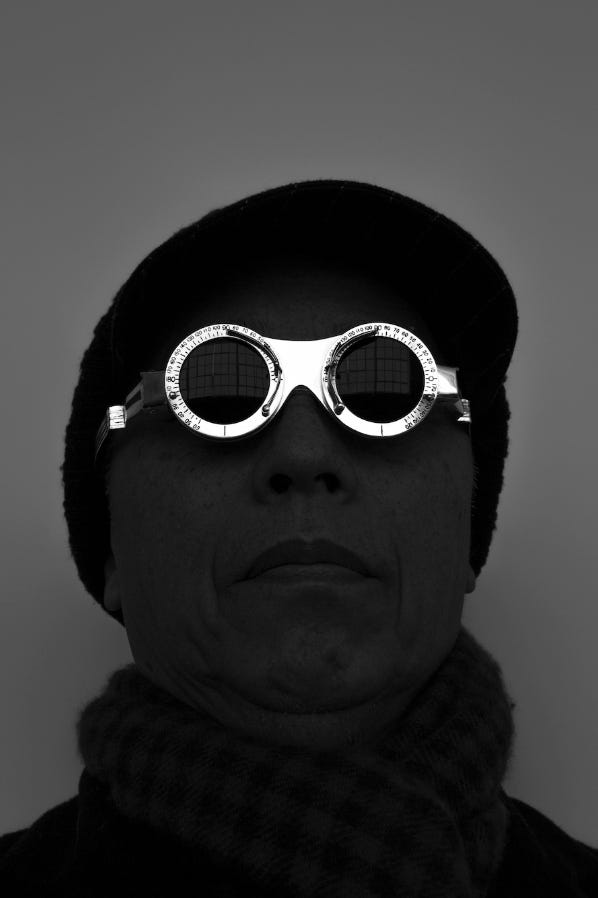
Hiroshi Sugimoto paused when asked about his next project at Monday night's ArtCenter lecture. "I don't know what's next". The audience laughed, but his answer revealed something essential about his process: He experiments constantly, developing techniques until they catch up with his vision. Only then does the work emerge. This method of working, this patience, defines his practice.
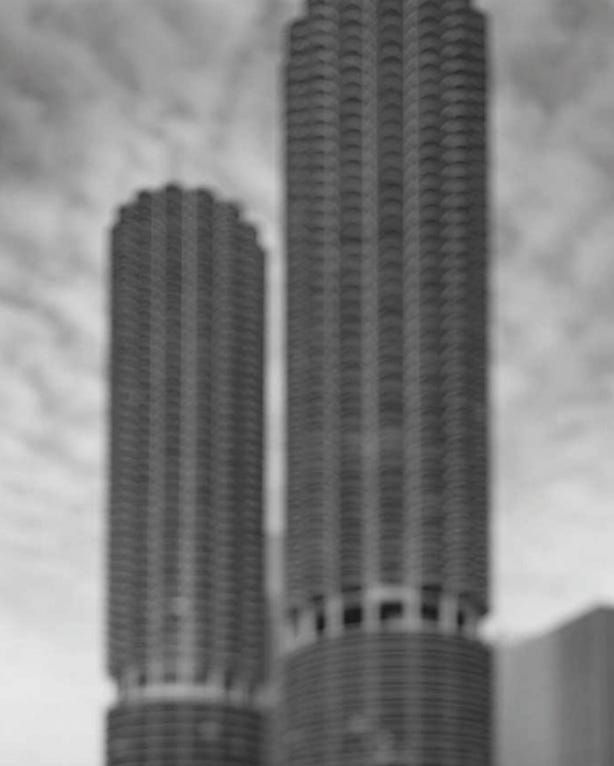
The evening unfolded as a series of such moments – careful observations followed by unexpected insights. An ArtCenter alumnus, Sugimoto has built his career by asking us to see things differently. His theater photographs compress entire films into single frame. His architectural studies deliberately blur iconic buildings into ethereal forms. Each series begins with a technical challenge that evolves into a philosophical inquiry.
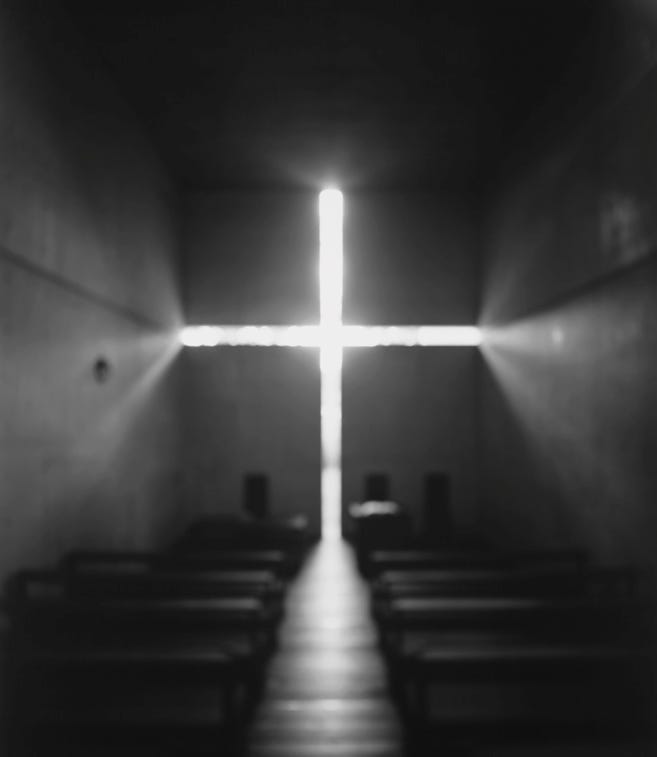
At dinner following the lecture, Phillip Sarofim asked what moved me most about Sugimoto's work. I found myself describing the out-of-focus architectural monuments – a series that has influenced my own practice in unexpected ways. Initially appearing as simple, defocused views of famous buildings, these images reveal complex meditations on history and preservation. Sugimoto explained that many of these monuments exist in various states of disrepair. By deliberately blurring them, he found a way to restore their essential dignity, letting their fundamental forms speak louder than their current condition. This approach led me to my out-of-focus studies of Harlem's street life, where I attempted to capture the neighborhood's rhythm and energy without assigning specific details.

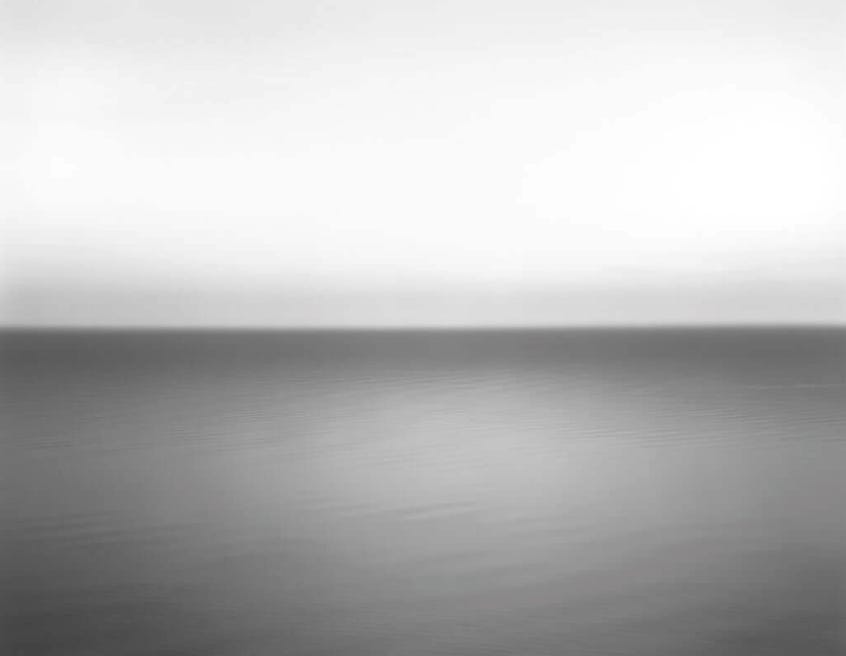
In the narration of the video celebrating Sugimoto's Lifetime Achievement Award from ArtCenter, photographer and alum Matthew Rolston observed, "Sugimoto's work is a time machine." This insight resonates most powerfully in his seascapes, where water and air – fundamental elements we often overlook – reveal profound truths about existence. Sugimoto explains that these substances "hardly attract attention―yet they vouchsafe our very existence." His theaters merge thousands of moments into a single frame, while his seascapes invite what he calls "a voyage of seeing," each image creating a space where the primordial meets the present. The current exhibition at ArtCenter, on display from October 23 through November 3, demonstrates this mastery, presenting works that challenge the conventional understanding of time and representation.
The dinner conversation shifted to questions of influence and originality. When Sugimoto stated, "Don't copy my work," it wasn't a protective gesture but an invitation to understand something more profound about artistic development. While we might begin by studying masters, the real work lies in finding our voice. He emphasized that our unique backgrounds and perspectives must inform our practice. We build on foundations laid before us, but the structures we create must be our own.
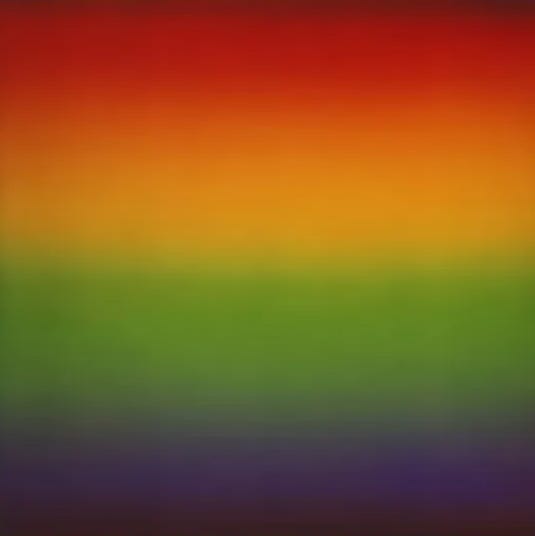
His dedication to craft and experimentation remains remarkable. At 76, Sugimoto approaches his practice with the same methodical curiosity that marked his time at ArtCenter. The "Opticks" series exemplifies this commitment – fifteen years spent recreating Newton's prism experiments in his observation chamber. There, winter sunlight splits through a prism, projecting infinite gradations of color onto white plaster walls. "I have the sense that I can see particles of light," he explains, "and that each of those individual particles is a subtly different color from the next one." Using Polaroid photography, he transforms these light experiments into "a new kind of painting." This work represents another facet of his ongoing investigation into the fundamental properties of photography – time, light, and perception.
As the evening progressed, conversations around the dinner table revealed additional layers of Sugimoto's approach to art and teaching. His technical precision never exists merely for its own sake; instead, it serves as a deeper exploration of how we see and understand the world. Whether working with his large-format camera, designing spaces like the Enoura Observatory, or capturing particles of light, each project emerges from this intersection of technical mastery and philosophical inquiry.
Sugimoto's technical discussions revealed themselves as doorways to deeper understanding. What began as precise descriptions of process would unfold into meditations on perception, time, and human experience. His practical knowledge, accumulated over decades, evolved into philosophical insight.
What stands out most is how Sugimoto embodies the rare combination of mastery and genuine curiosity. His presence at ArtCenter reminded us that innovation doesn't emerge from rushing toward the future but from profoundly understanding the present moment while honoring the past.
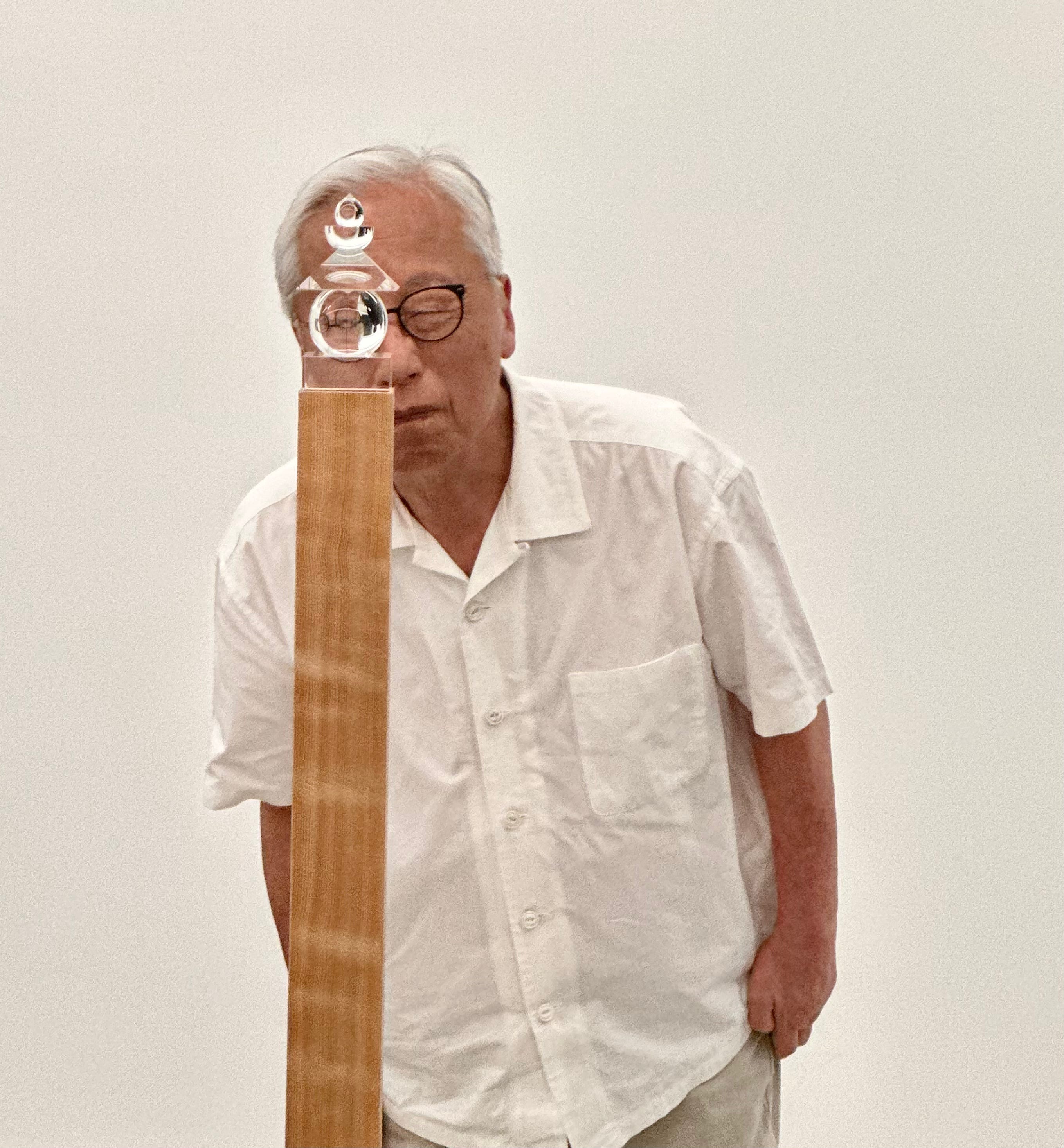
His approach suggests something vital about contemporary art practice: the path forward is sometimes about something other than knowing what's next. Sometimes, it's about developing the patience and craft needed to realize the visions we have yet to fully imagine. In an age of instant images and rapid creation, Sugimoto's work and words remind us of the profound value of slowing down, looking deeply, and allowing time itself to become part of the creative process.