
The Two-Second Glance
What We're Losing in Our Scrolling Culture

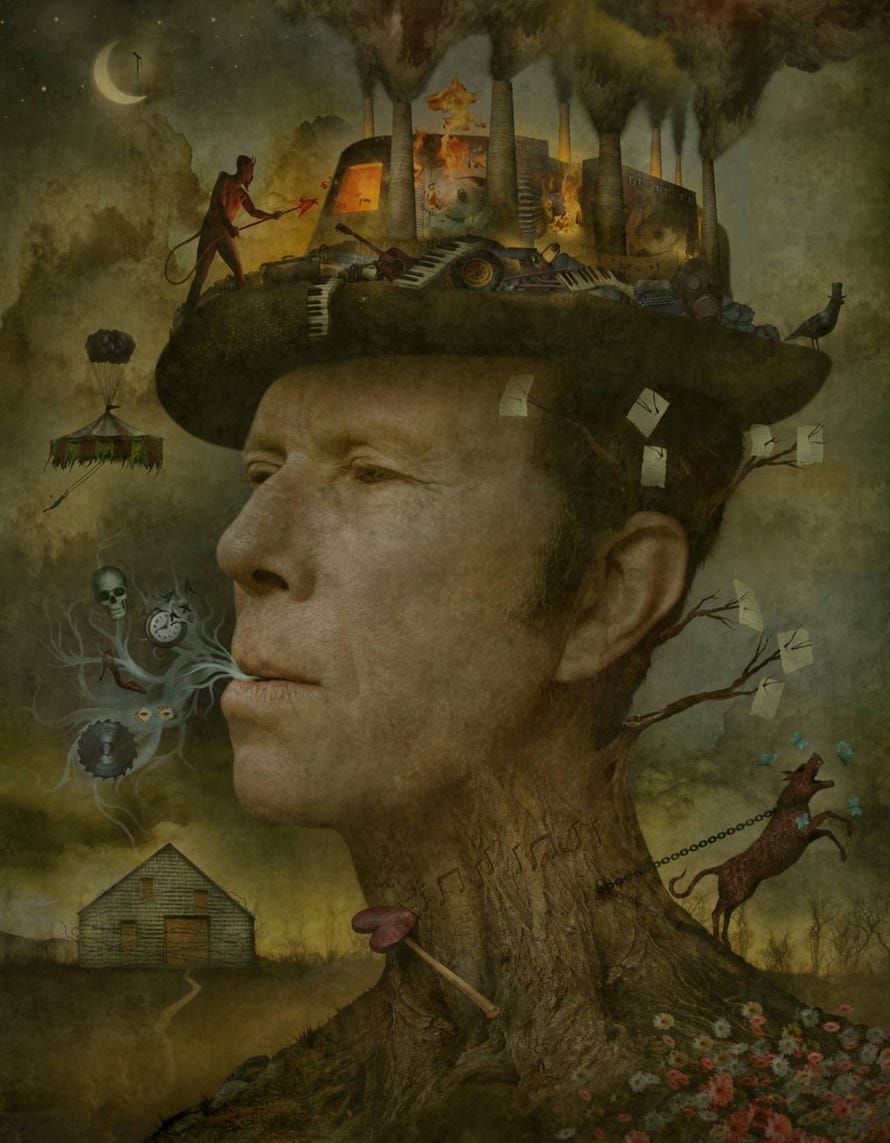
In an era where we consume more images daily than our ancestors might have seen in a lifetime, a paradox emerges: we may be losing our ability to truly see. This insight crystallized during a recent conversation with Byron Wilson, one of the most incisive thinkers I know, about the intersection of artificial intelligence, human value, and the evolving nature of beauty in our digital age.
Wilson introduced me to a concept of image intelligence that has haunted me since. It's not a phrase you'll find in common usage, but it captures something essential about our changing relationship with visual information. As we discussed the current state of education and artistic appreciation, Wilson observed that today's students lack a certain depth in their visual understanding. This deficit extends beyond academic contexts into our broader cultural relationship with beauty.

The Scroll and the Surface
Perhaps unsurprisingly, the culprit lies in our pockets. Social media platforms, designed to capture and monetize our attention, have fundamentally altered how we engage with images. We've become scrollers rather than seers, skimmers rather than observers. The average Instagram user spends less than two seconds with each image they encounter—hardly enough time for any meaningful engagement or appreciation.
This rapid-fire consumption of visual content has profound implications. "When we don't look deeply," Wilson argues, "we become susceptible to others' definitions of beauty." This susceptibility creates a feedback loop: surface-level appreciation leads to surface-level creation, reinforcing superficial engagement. The result is a flattening aesthetic experience, where beauty becomes increasingly standardized and shallow.
The Depth Beneath the Surface
Yet true beauty, as artists and philosophers have long understood, often resides in the irregular, the imperfect, and the unexpected. It reveals itself not in the instant of recognition but in the sustained engagement that allows us to move beyond our initial reactions and preconceptions.
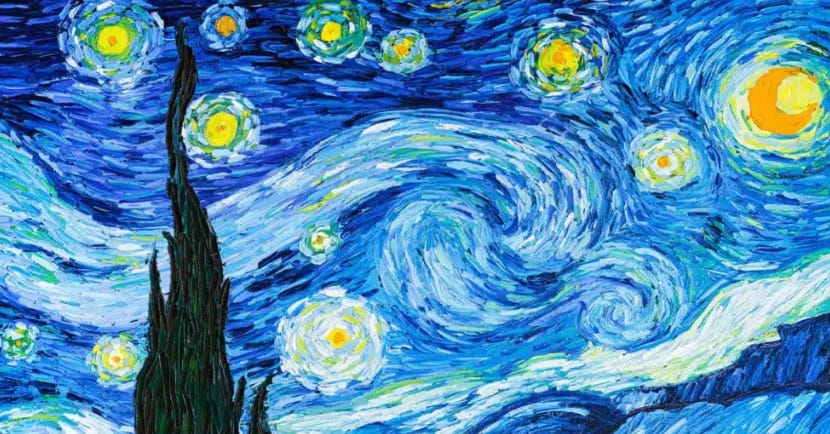
Consider the way a masterpiece reveals itself slowly. The first glance at Van Gogh's "The Starry Night" might capture its swirling energy. Still, it's only through prolonged observation that one begins to appreciate the intricate interplay of brush strokes, the deliberate color choices, and the emotional resonance that has made it endure. This kind of deep seeing requires what Wilson calls "image intelligence" – the capacity to engage meaningfully with visual information, perceive nuance, and develop personal aesthetic judgments beyond the superficial.
The Technology Paradox
Ironically, as our collective image intelligence seems to be diminishing, artificial intelligence is developing increasingly sophisticated image analysis and generation capabilities. AI can now recognize patterns, generate art, and even predict which images will receive the most engagement on social media. However, these technological advances may contribute to the problem they seek to solve.
When AI algorithms determine which images we see based on engagement metrics, they tend to reward and amplify content that produces immediate, surface-level reactions. This creates what some researchers call "aesthetic feedback loops," where certain visual styles become increasingly dominant not because they're more meaningful or beautiful, but because they're more effective at triggering quick engagement.
The Path Forward
The challenge is not to reject technology but to reshape its use. Several innovative approaches are emerging:
"Slow Looking" Movements: Museums and educational institutions are experimenting with programs that encourage extended engagement with individual artworks. For instance, the Tate Modern's "Slow Looking"sessions invite visitors to spend up to 30 minutes with a single piece of art.
AI-Enhanced Education: Some platforms use artificial intelligence to generate or analyze images and help users develop their own image intelligence. For example, Google's Arts & Culture experiments use AI to help users discover connections between artworks and develop a deeper appreciation for visual art.
Digital Mindfulness: A growing number of apps and platforms are being designed to counter the rapid-scroll mentality, encouraging users to spend more time with individual images and develop meaningful relationships with visual content.
Building New Forms of Image Intelligence
The solution isn't to return to a pre-digital age – that ship has sailed. Instead, we need to develop new forms of image intelligence that acknowledge and work with our current technological reality while preserving the depth and richness of true aesthetic appreciation.
This might involve:
Educational reforms that prioritize visual literacy alongside traditional forms of literacy
Technology design that rewards depth of engagement rather than just quantity of interaction
Cultural initiatives that celebrate and promote more nuanced forms of beauty
Personal practices that consciously counter our tendency toward superficial visual consumption
The Stakes Are High
This isn't just about art appreciation or aesthetic pleasure. As Wilson suggests, image intelligence is fundamental to understanding and relating to the world around us. When we lose the ability to engage deeply with images, we risk losing something essential about our humanity – our capacity to find and create meaning in what we see.
In an age where visual communication is increasingly dominant, the ability to truly see – to engage deeply and thoughtfully with images – becomes more crucial than ever. As we navigate this new visual landscape, we must find ways to preserve and develop our image intelligence, ensuring that beauty doesn't become just another casualty of our scrolling culture.
The conversation with Byron Wilson serves as both a warning and a call to action. By recognizing what we're losing, we can imagine and create new ways of seeing that combine the best of human perception with the possibilities of new technology. The future of beauty—and perhaps of human understanding itself—may depend on our success in this endeavor.
As we move forward in this increasingly visual age, the question isn't just what we see but how we see it. The answer may determine our appreciation of beauty and our capacity to create and recognize meaning in an increasingly complex visual world.
Thank you for this insightful (no pun intended) essay. It is a fascinating topic, and one that bears more investigation as humans' perceptual abilities change with the integration of technology in everyday life.
I was just at an art museum with photos of pets (way better than it sounds) and I had a very similar thought! How is the art of photography impacted by the exorbitant amount of photos that are taken these days? Ugh. As a recent Substacker, I'm happy to have run into you! Your work is beautiful.